

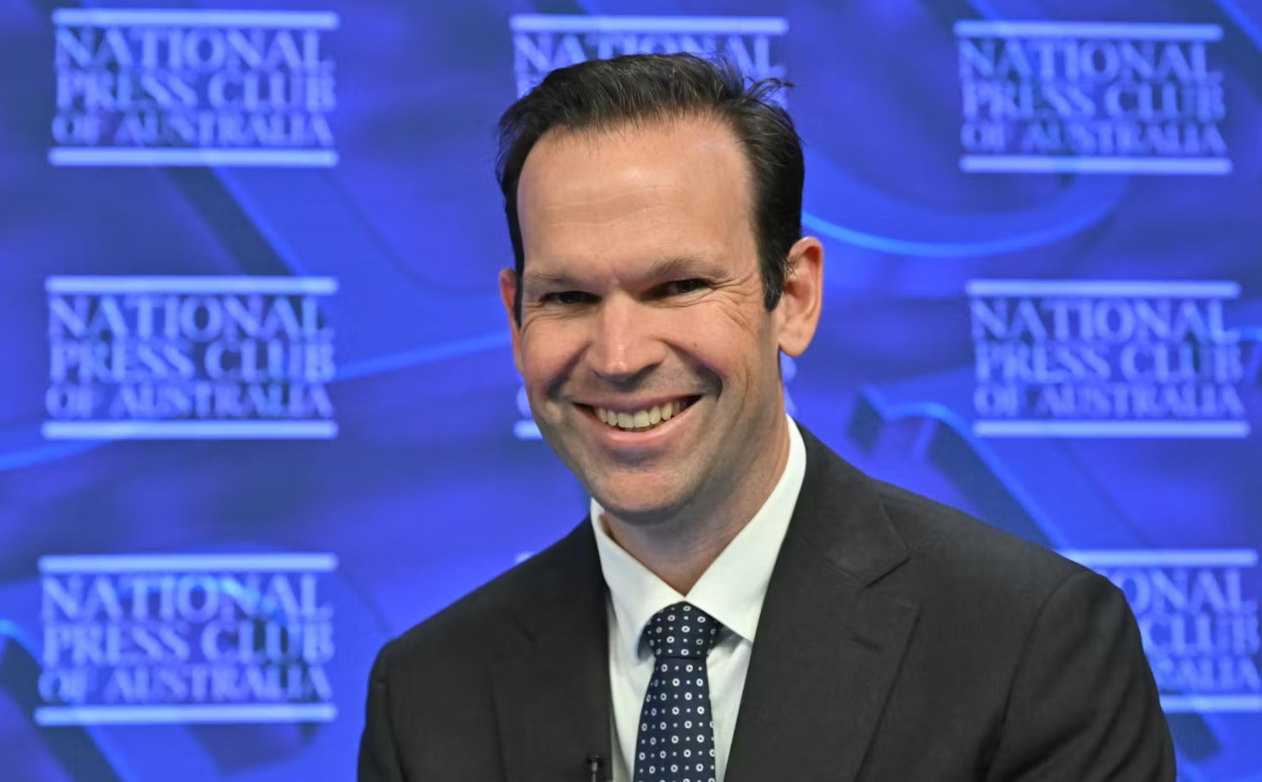

Matt Canavan has emerged as one of the most distinctive and outspoken figures in contemporary Australian politics. Known for his strong advocacy of regional communities and traditional industries, Canavan represents a strand of political thought that emphasizes economic nationalism, energy security, and the preservation of local jobs in the face of global pressures.
Born in 1980 in Southport, Queensland, Canavan’s academic and professional background reflects a deep engagement with economics and public policy. He studied economics at the University of Queensland before completing a Master of Economics at the Australian National University. His early career included roles within the Australian Public Service and international institutions such as the World Bank, where he gained exposure to global economic systems and development challenges.
Canavan entered the Australian Senate in 2014, representing Queensland for the National Party. His political identity quickly solidified around a commitment to regional Australia, particularly in areas dependent on mining, agriculture, and manufacturing. As Minister for Resources and Northern Australia (2016–2020), he played a central role in shaping policies aimed at expanding resource development and promoting infrastructure investment in northern regions.
One of Canavan’s defining policy positions has been his staunch support for the coal industry. In an era increasingly dominated by climate change discourse and the global transition toward renewable energy, Canavan has consistently argued for the economic importance of coal exports to Australia’s prosperity. He has framed the debate not only in terms of economic output but also as a question of fairness to regional workers whose livelihoods depend on traditional energy sectors.
Critics, however, have challenged Canavan’s approach as being out of step with global environmental trends and the urgent need for decarbonization. They argue that his policies risk delaying necessary transitions and exposing Australia to long-term economic vulnerabilities. Supporters counter that his perspective reflects a pragmatic understanding of economic realities and the limitations of rapid energy transitions.
Beyond energy policy, Canavan has also been vocal on issues such as foreign investment, trade sovereignty, and the role of government in supporting domestic industries. His rhetoric often emphasizes national self-reliance and skepticism toward international institutions, positioning him within a broader global movement of economic populism.
In recent years, Canavan has continued to influence national debates, particularly within the Coalition, where he represents a more conservative and regionally focused faction. His willingness to publicly dissent from party leadership has underscored his role as both a loyal party member and an independent thinker.
Ultimately, Matt Canavan’s political career illustrates the tensions at the heart of modern economic policymaking: balancing global environmental imperatives with local economic needs. Whether viewed as a defender of regional Australia or a controversial figure resisting necessary change, Canavan remains a significant voice in shaping the country’s political and economic future.