
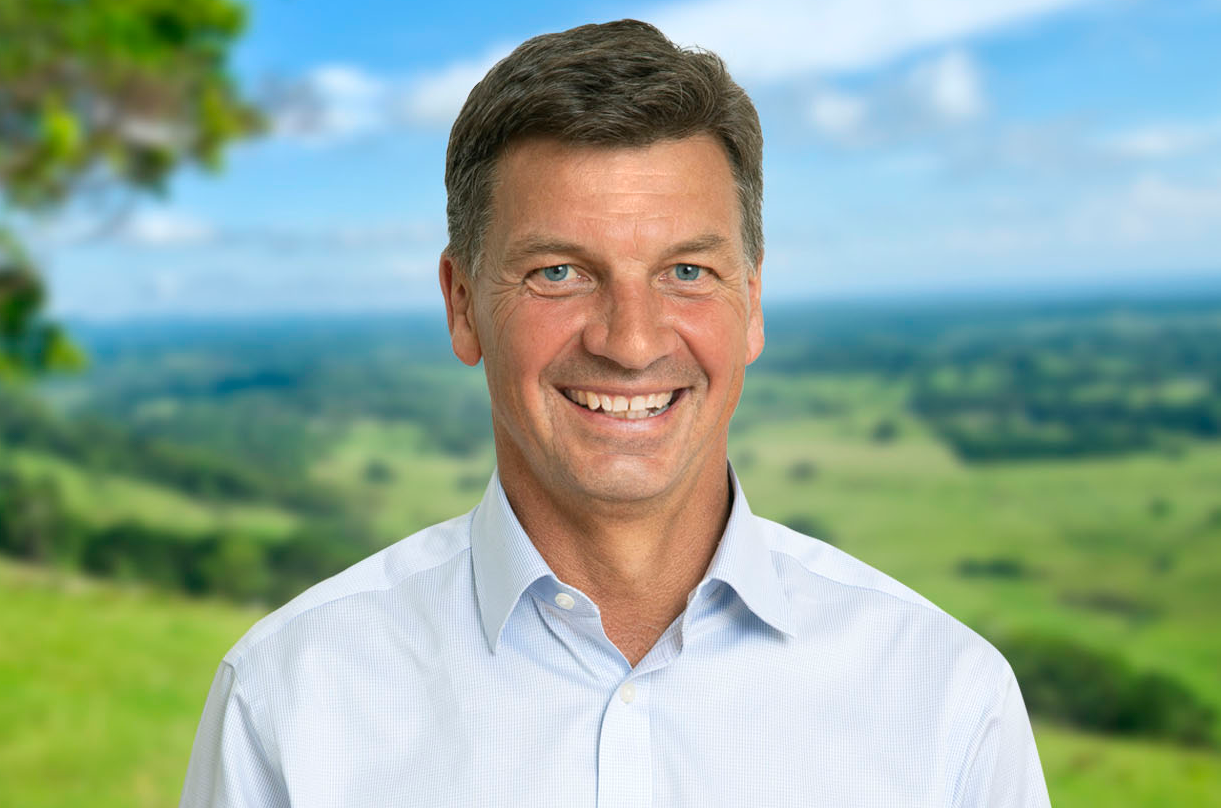

Angus Taylor is widely regarded as one of the key economic policymakers within Australia’s Liberal Party. With a background in economics and business, Taylor has played a central role in shaping the country’s fiscal and energy strategies during a period of significant global and domestic change.
Born in 1966 in Sydney, Taylor was educated at the University of Sydney, where he studied economics and law, and later at the University of Oxford as a Rhodes Scholar. His early career included work as a management consultant with McKinsey & Company, as well as roles in agribusiness and investment, providing him with extensive experience in both corporate and rural economic contexts.
Taylor entered federal politics in 2013 as the Member for Hume in New South Wales. His policy focus quickly centered on economic growth, energy markets, and fiscal discipline. He held several ministerial positions, including Minister for Energy and Emissions Reduction (2019–2022) and later Treasurer in opposition.
As Energy Minister, Taylor was responsible for navigating one of the most complex and contentious policy areas in Australia. His approach emphasized reliability, affordability, and gradual emissions reduction, reflecting a balancing act between environmental commitments and economic considerations. He supported investment in both renewable energy and traditional energy sources, advocating for a “technology-neutral” approach to emissions reduction.
Taylor’s tenure coincided with intense debates over climate policy, energy prices, and Australia’s role in global emissions reduction efforts. He was involved in the development of policies aimed at achieving net-zero emissions by 2050, while also ensuring the stability of the national energy grid.
Critics argued that his policies lacked urgency in addressing climate change and placed too much emphasis on fossil fuels. Supporters, on the other hand, praised his pragmatic approach and focus on maintaining energy security and economic competitiveness.
In his broader economic role, Taylor has emphasized fiscal responsibility, tax reform, and support for small businesses. His background in business and consulting has informed his approach to policymaking, which often prioritizes efficiency, market-based solutions, and long-term economic sustainability.
Taylor has also been an active participant in debates over agricultural policy and regional development, reflecting his connections to rural Australia. He has advocated for policies that support farmers, improve infrastructure, and enhance export opportunities.
As a senior figure within the Liberal Party, Taylor is often seen as a key architect of the party’s economic platform. His ability to articulate complex economic issues in accessible terms has contributed to his influence within both the party and the broader policy community.
In conclusion, Angus Taylor’s career exemplifies the challenges of economic stewardship in a rapidly changing world. Balancing fiscal discipline, energy transition, and economic growth, he remains a central figure in shaping Australia’s policy direction and responding to the evolving demands of the global economy.